How to Spot "Red Flag" Clients (Before They Become Clients)
Unfortunately, not every enquiry is a good enquiry and not every client is a good client. Ideally, you want to filter out the bad ones before you start doing work for them.

Unfortunately, not every enquiry is a good enquiry and not every client is a good client. Ideally, you want to filter out the bad ones before you start doing work for them.
And while you might get the odd bad apple that slips through the net, there are some early warning signs — or red flags — that indicate a prospect could turn out to be a problematic client.
If you spot these red flags, you might want to think twice about taking the relationship any further. It’s better to walk away than get stuck with a client who makes you stressed, anxious, or miserable.
Potential red flags
The following “red flags” don’t automatically mean a prospect will end up being a problem client. But if you’re seeing more than one of these red flags when dealing with a potential client, it might be best to err on the side of caution. Trust your instincts. If you’re getting a bad feeling, don’t ignore it.
Vague about requirements
It’s not unusual to get vague enquiries such as:
“Can you send me more information about your services?” “I might have some work for you” “Could we have a chat about a potential project?”
When this happens, ask for more information or a bit more clarity around what they want to discuss. Which services do they want to know more about? What kind of work might they have for you? Is the project something they have a budget for and need right now, or something they are looking at doing in the future?
If you ask for more clarity and they are still being cagey, then be cautious. They might be looking to get free advice, ideas or support by feigning interest in your paid services.
Focused on price
When you get enquiries from people who are purely focused on price, it’s often (but not always) an indication that they are shopping around for the cheapest deal.
It’s fine to send your prices over if they are fixed (or you have enough information to provide a quote), but don’t spend hours putting together detailed proposals if you get the impression price will be the deciding factor.
And if you get pushback on your fees, don’t feel pressured into giving a discount. If the prospect tries to negotiate your rate, stick to your guns. They might just be trying their luck, but if they won’t take no for an answer, walk away.
If they don’t value what you do, they won’t be a good client. Trust me — some of the most difficult clients I had in my early days of business were the ones paying the lowest rates.
Rude, pushy, or aggressive
Why would you want to work with someone who doesn’t treat you with respect?
If they are rude before they have even become a client, they are unlikely to change once they start giving you money.
Refusing to agree to your terms
You work the way you work for a reason. If you only work between 9am and 5pm, that’s fine. If you don’t reply to emails at weekends, that’s fine. If you use a specific tool, follow a fixed process, or insist on having certain information or full payment before you start work, that is your prerogative.
It’s your business, you can run it the way you see fit. And if a client isn’t prepared to work to your terms, then they are free to find someone else.
Yes, there are times you might need to be flexible, but it should be because it suits both you and the client, not just because the client is being difficult or demanding.
Burnt through other providers
It’s not uncommon to have a bad experience with a supplier. Some people are not very good at what they say they can do. Others just don’t work in a way that works for us.
But if a prospect is reeling off dozens of bad experiences, it’s worth noting that they are the common denominator. Maybe the twenty “useless” freelancers they previously worked with aren’t the problem. Maybe they are the problem.
Listen to what they are saying. Are their expectations unrealistic? Are they unclear about what they actually want? Are they being unreasonable about how they want you to work?
Wants everything “urgently”
We can’t always plan everything perfectly, and even when we do, things can go wrong. So if a project is urgent, it’s not necessarily a warning sign.
But sometimes urgency comes down to the prospect's poor planning and complete disregard for your time and processes. If you feel as though the prospect is more interested in how fast you can give them what they need than in getting things done properly, then you might need to step away.
This is especially true if they expect you to prioritise their requests, get back to them immediately, and always be available when they call, but drag their heels when you need something from them (like payment).
Won’t sign a contract or make payment
If a client is pushing you to start work but won’t sign an agreement or pay, don’t start work (no matter how urgent they say the work is). You’ll only leave yourself open to risk. And if they refuse to pay you after you have completed the work, it’ll be your own fault.
Even though the client will be the one in the wrong for not paying, you are the one who agreed to do the work without a signed contract or payment. You are the one who didn’t protect yourself.
A good client won’t have a problem committing. After all, if they have agreed to your terms in principle, why would they refuse to sign a contract? And if they have agreed to your quote and have budgeted for it, why wouldn’t they make payment?
Dragging their heels on making a decision
Some people don’t like rushing into a decision, and that’s fine. If they have all the information they need, they can mull it over for as long as they want.
The problem comes when they keep asking for more and more of your time without committing to working with you. Another call. A free sample. A couple more ideas. A project outline. A quick look over this idea. A bit of advice on this. And so on.
You might feel as though doing these little favours will help you win their business, but why would they pay you when you keep giving them free support?
Don’t let people take advantage of your good nature. It’s ok to get paid for helping people.
What to do if you spot a red flag
If you’ve spoken to a prospect and you aren’t getting a good feeling about working with them, be honest. Tell them you don’t think you’re what they are looking for, or you don’t think you’ll be a good fit for each other.
“Thanks for your time on the call today. Unfortunately, I don’t think I’m going to be able to deliver what you’re looking for in the timescales you’ve mentioned.”
“It was lovely speaking to you, but I don’t think we’re the right fit. I have a set way of working, and it doesn’t align with the way you want me to work.”
“Thanks for your enquiry, but I’m not in a position to take on your project right now.”
“I don’t feel I can deliver the level of quality I’m known for within your terms. For that reason, I’ll need to step back from this project.”
And if you’ve put forward a proposal, but they won’t agree to your terms, are pushing back on price, or won’t sign an agreement and make payment tell them you no longer want their business.
“As you aren’t prepared to agree to my terms, I’ll need to withdraw from this project, but I wish you success moving forward.”
“I appreciate the discussion around the proposal. At this time, I’m not able to proceed under the revised terms, so I’ll step back from this project.”
“My pricing reflects the time, expertise, and quality required to deliver the outcome you’re looking for. As we’re not able to align on budget, I’ll step back so you can find a provider who fits your price range.”
“My rates are fixed to ensure the quality and scope of the work. As we can’t agree on pricing, I’ll need to decline the project at this time.”
“My policy is to start work only once the contract is signed and the initial invoice is settled. As this hasn’t been finalised, I’ll withdraw the proposal for now. Wishing you the best with the project.”
“To protect both sides, I only begin work once the agreement is signed and the first payment is made. As we’re not able to complete those steps, I’ll step aside so you can move forward in a way that works for you.”
Don’t feel bad about protecting yourself. Taking on toxic clients can impact your mental health and your ability to deliver your best for your good clients. Find clients who value what you do and treat you with respect — they are out there, I can vouch for that.
Related articles
 Lisa Slater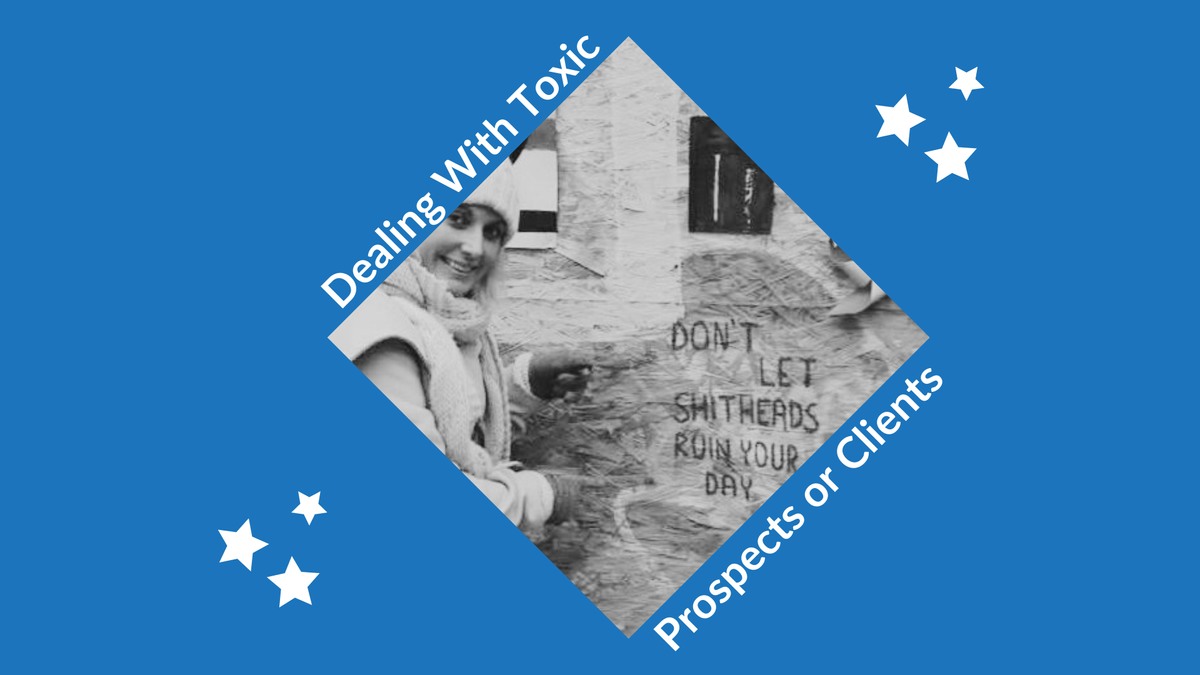
 Lisa Slater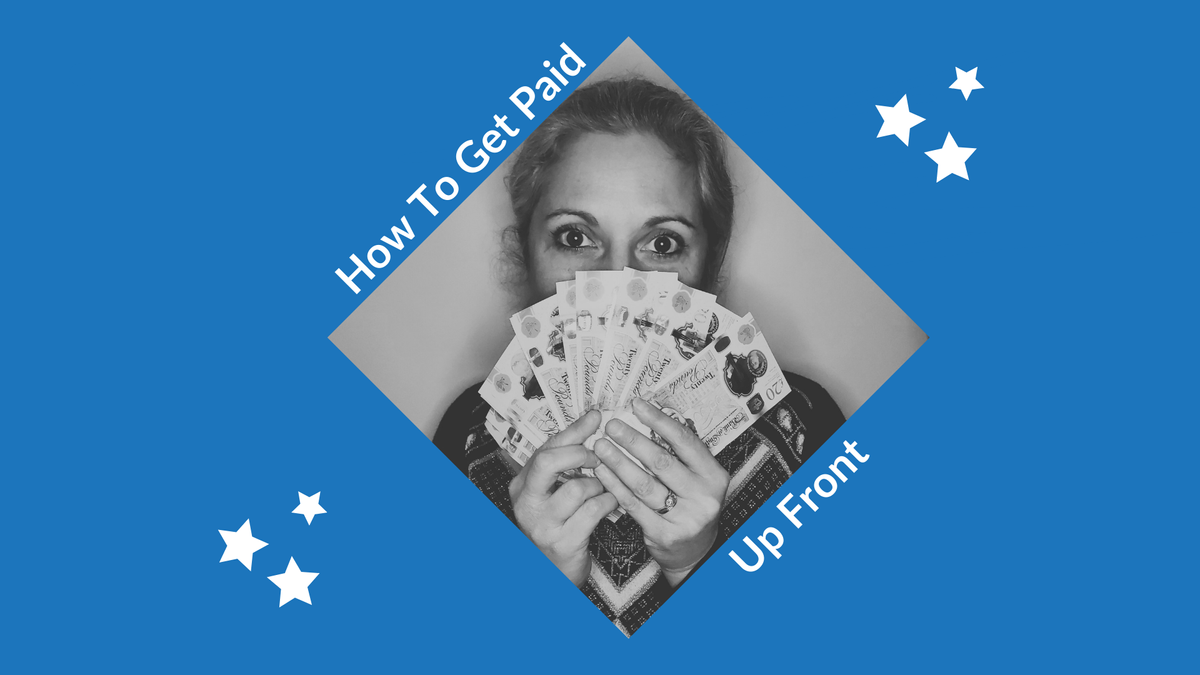
 Lisa Slater
 Lisa Slater
 Lisa Slater