How to Reduce the Mental Load of Working for Yourself
Working for yourself brings its own mental load. You're responsible for everything in your business, and if anything gets missed or goes wrong, it's on you. That's a lot of pressure.
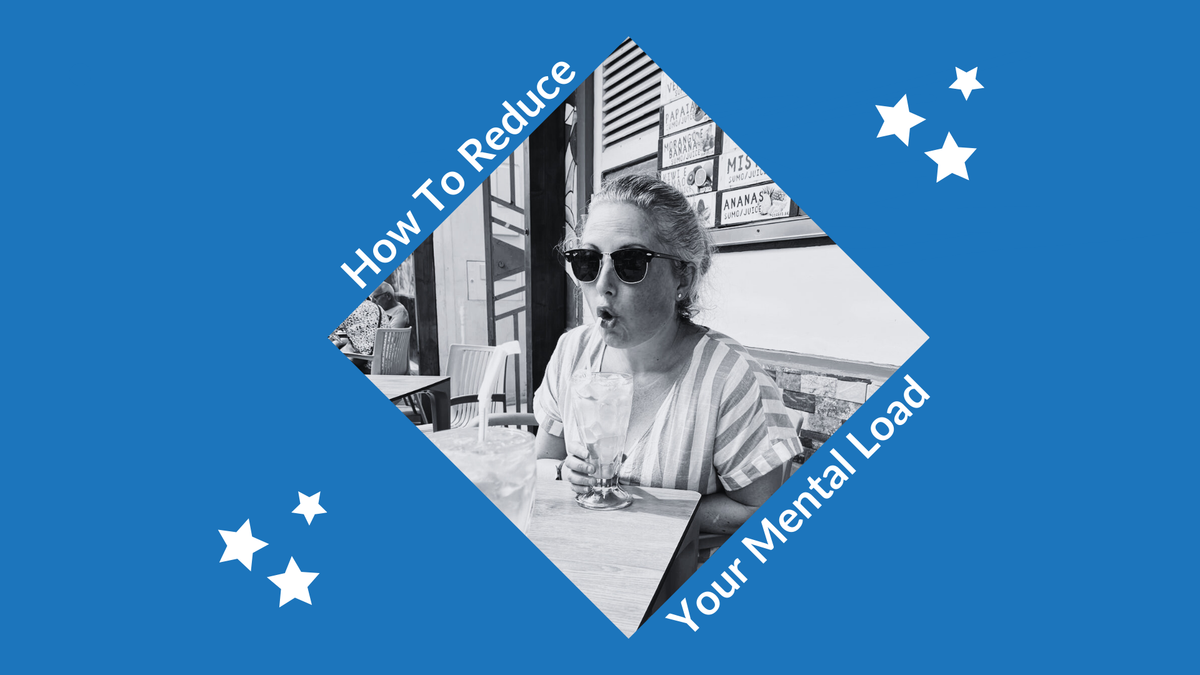
Mental load often refers to the invisible workload carried by people (especially women) who have to work, parent, and manage the household.
But working for yourself brings its own mental load. You're responsible for everything in your business, and if anything gets missed or goes wrong, it's on you. That's a lot of pressure.
Combined with the general demands of life, it's easy to see why so many freelancers suffer from overwhelm, stress, anxiety, and even burnout. But there are some things you can do to take the pressure off and reduce the load slightly.
Don't delay decisions
How often do you find yourself delaying decisions because you're already busy, and thinking about it feels like one thing too many to deal with right now?
"I need to look at it properly"
"I need to think about it"
"I need to go through all the options"
"I'll sort it out later"
We tell ourselves we need to give it some proper thought, so we'll come back to it when we have time. But all too often, we’re just making excuses because we don’t want to deal with it. Making decisions can be hard - what if we get it wrong?
But putting it off won't help.
The longer you delay, the worse it gets. Lingering in the back of your mind, waking you up in the night, slipping into your thoughts while you're in the middle of something else.
So instead of putting it off indefinitely, put time in your diary to make the decision. Set aside 10 minutes, 30 minutes, an hour, or however long you think it will take to review the options, make a pros and cons list, or just come to a decision.
Now the pressure is off because you know exactly when it will get dealt with, and it's not playing on your mind while you try to focus on other things. And when the allocated time comes, give that decision your full attention and make your choice. You'll feel much better once it's off your plate.
Say "no" faster
In the same vein as above, don't delay saying no to things you don't want to do. It will just play on your mind. You'll feel guilty knowing the person is waiting for your answer. And the longer you leave it, the worse you'll feel.
If you already know you can't do it or don't want to do it, be honest. You don't have to give a reason (although you can), just say no. Once you've given your answer, you don't need to think about it anymore, and it's one less thing to worry about.
 Lisa Slater
Set routines and boundaries
You can hugely reduce your mental load if you have some structure to your working day, put good processes in place, and set boundaries. Be proactive instead of reactive.
Instead of having an internal debate about following up every time you don't hear back from a potential client, put a fixed process in place. For example, send the first follow-up email after three working days, the second after another three days, and the final follow-up a week after that. And that's your process every time. As soon as you send off a proposal, make a note in your diary to follow up three days later. If you hear back before that, great. If not, you don't need to worry about it because you have a pre-determined follow-up process.
When you have routines and processes, even super simple ones, you don't have to dedicate as much brain power to things. You know exactly what the course of action will be, so you don't have to come up with a new plan every time.
I plan my workload each week, so I know exactly what I am doing every day. I don't take unscheduled calls, so I'm never suddenly caught off guard. I get paid in advance, so I never have to chase invoices. I have a file full of pre-written social media posts I can use when I'm busy. It means I have fewer things to worry about.
 Lisa Slater
Make physical to-do lists
Your brain only has a limited working memory, and trying to remember too many things can cause anxiety: "What if I forget to do something important?"
When you make a physical to-do list, you free up memory and reduce mental clutter. Think of it as offloading to an external hard drive, so you free up capacity to focus on the task at hand.
Diarise any important tasks, meetings or calls straight away, so you're not at risk of forgetting them. Make to-do lists for the month, week and day. Note down ideas, questions, or things you want to research later, so you don't have to try to remember them. Make life easier for your brain by reducing the number of things it needs to think about.
Automate or streamline repetitive tasks
There are some tasks that require a human element and personalisation, but there are others that can be streamlined or automated without impacting the customer experience.
I know some people really dislike Calendly (and similar tools), and this baffles me because I think it's brilliant. Why on earth would you want the hassle of sending emails back and forth, trying to find a date and time that works for both parties, when you can just view someone's calendar and find a slot that works for both of you? It's so much more efficient.
And there are loads of other things you could automate or streamline in your business. For example, setting up automatic invoice reminders rather than having to write out chasing emails every time. Having proposal templates you can tweak and personalise rather than having to build from scratch every time. Putting a pre-call checklist or questionnaire in place for potential clients so you can get to the important stuff faster.
Streamlining and automating the repetitive or non-important tasks frees up brain power for the things that need it.
Make time for self-care
I know this one might sound odd because if you're already super busy, how can you find time for leisure activities? But giving yourself a break from work-related tasks can actually be very productive.
Quite often, I come up with ideas or solutions while I'm out running. Or I process my thoughts and plan my next steps while I'm knitting. Or I think about a specific challenge one of my clients is facing while I'm cooking.
And sometimes, I just switch off from work completely.
After all, you would give your body a break if you were tired, so why wouldn't you give your brain a rest? You can't give your business the best of yourself if you are not looking after yourself, so prioritise self-care.
 Lisa Slater
Share the load
When you're employed, there is always someone there to answer a question, double-check something, provide moral support, share your idea or problem with, offload to, or celebrate with. You're never in it alone. Even if you work remotely, there's someone you can call.
But when you work for yourself, you don't have that. Everything is on you. Every decision. Every success. Every failure. It can be exhausting and sometimes overwhelming.
And you don't always realise how much it's impacting you when you're in it. You just get used to it. But once you start working with a mentor, you suddenly realise how much energy it has been taking up.
One of the things I include in my ongoing mentoring service is unlimited email and WhatsApp support. My clients can send me messages or voicenotes whenever they need to. Sometimes they send questions. Sometimes they want advice on how to deal with something. Sometimes they want me to read over something. Sometimes they want to share a success. And sometimes they just need to vent, rant, or offload to reduce the mental burden.
If you're feeling overwhelmed with self-employment, let me help you reduce the mental load. Check out my 1-2-1 services or drop me an email letting me know what your biggest challenges are right now.
 Lisa Slater